In Paraguay, few things are as frustrating as being in the middle of a summer storm and losing power right when you need it most: the fridge full of food, the water pump, the wifi for working from home. Power outages from ANDE, especially in rural and interior areas like Guairá, are a reality many families and small businesses deal with every year.
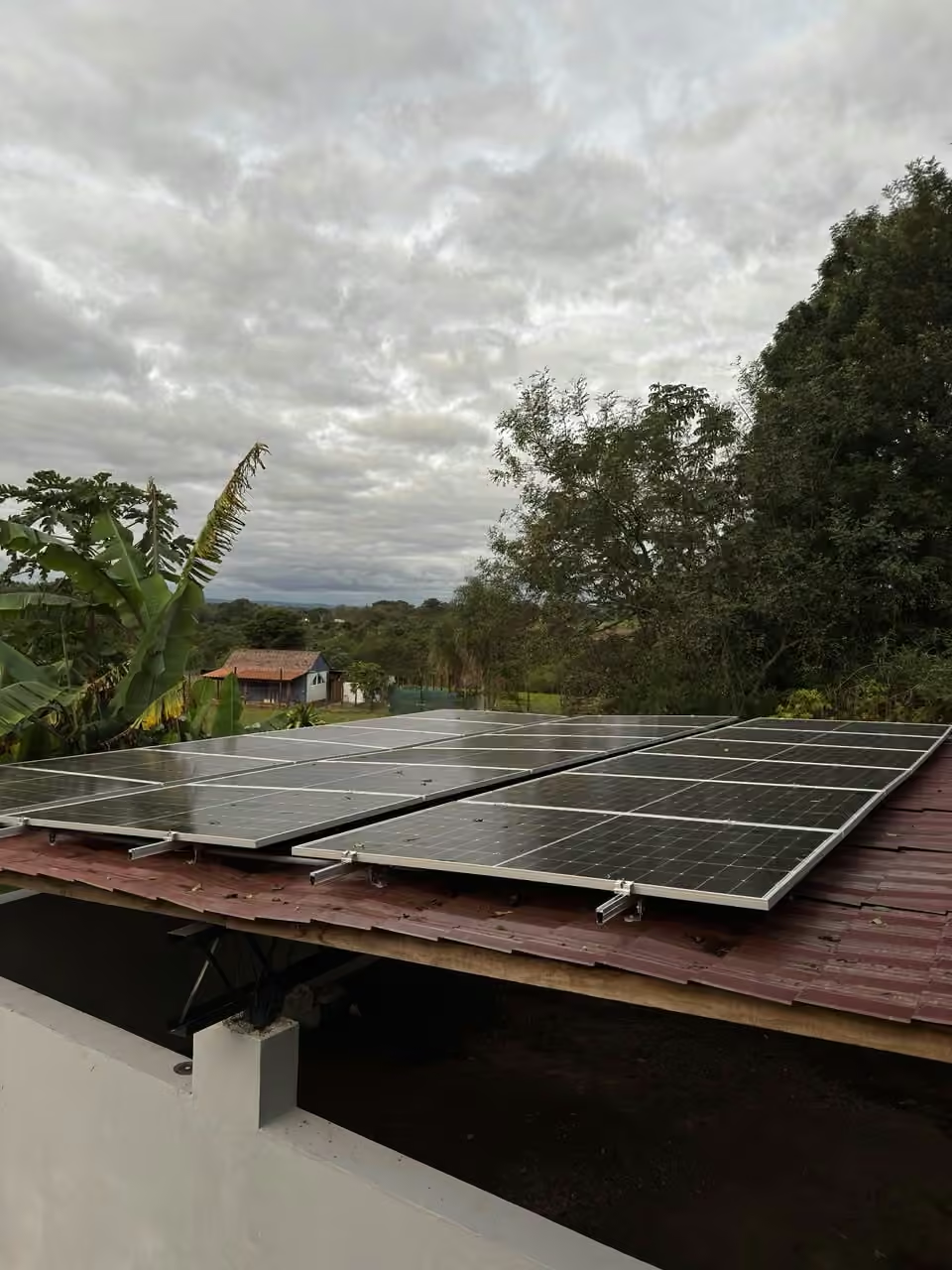
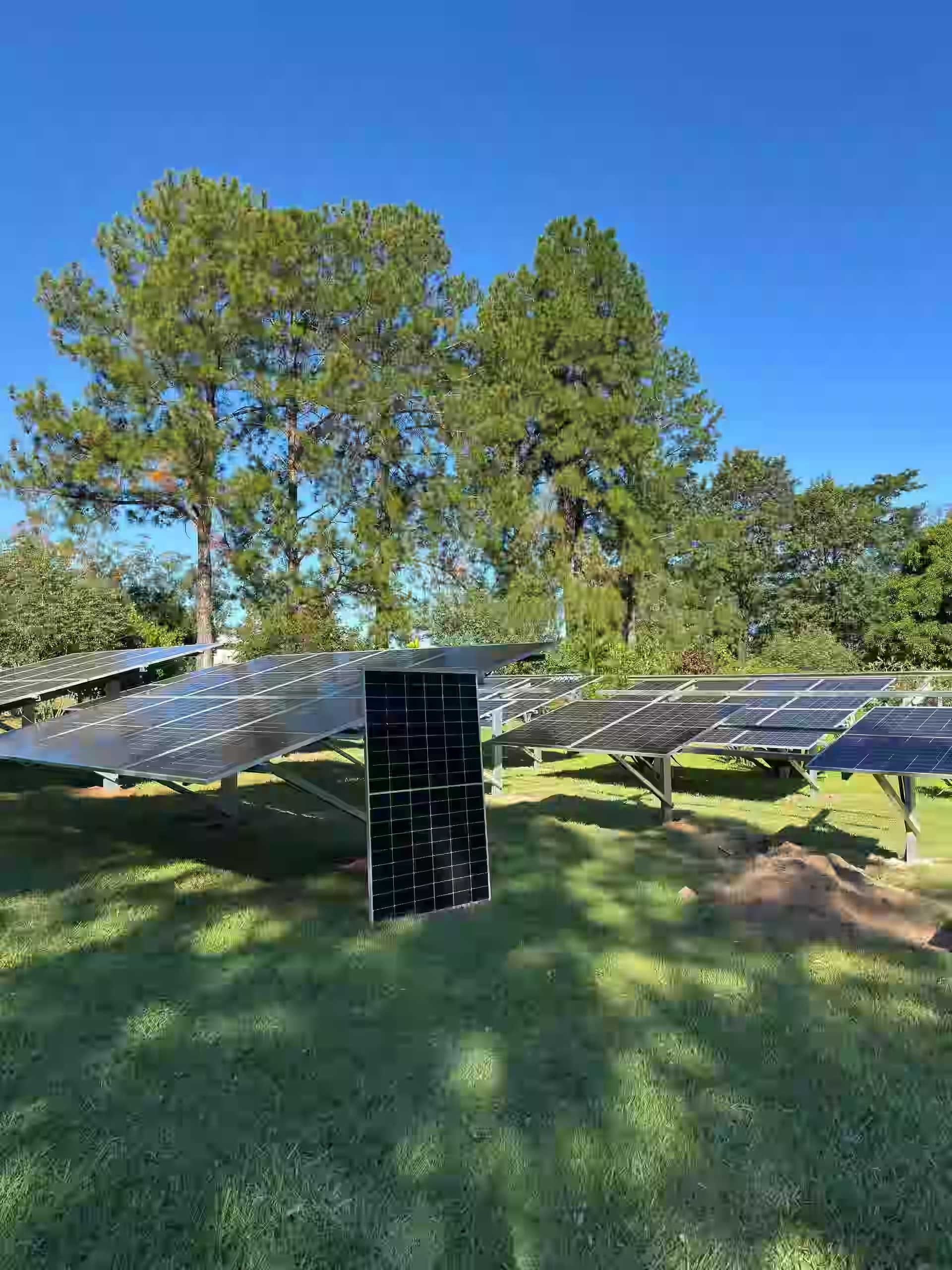
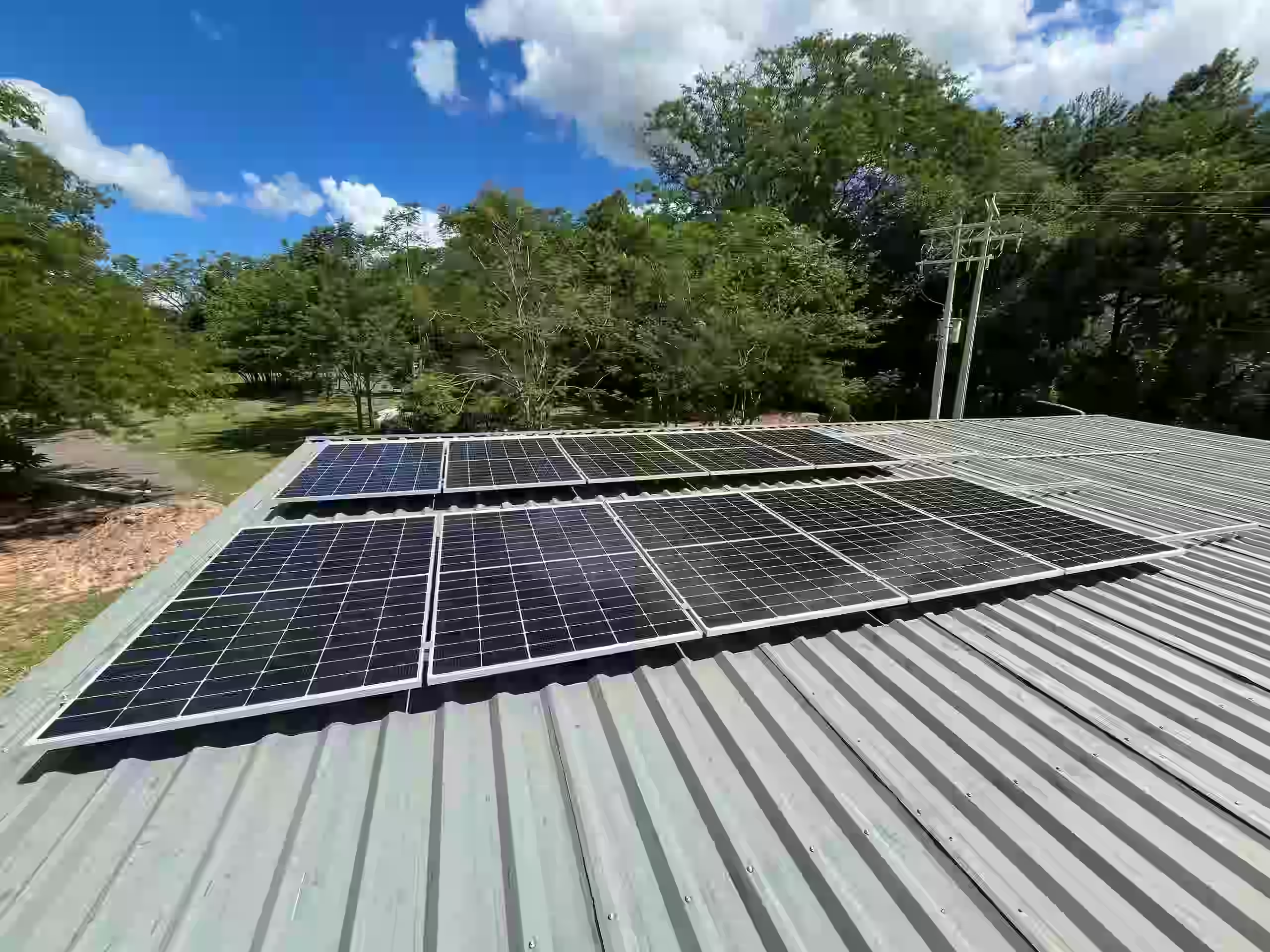
That’s why, at Guaira-Solar, we’re sharing a real project we recently completed in Independencia, Guairá: a solar installation on a carport, made up of 10 solar panels, a 5 kW inverter, and a 5 kW LiFePO4 lithium battery bank, specifically designed to keep energy flowing even when the grid fails.
The problem: relying 100% on the grid comes at a cost
Living in the interior of Paraguay has enormous advantages, but it also means power outages — from storms, grid maintenance, or overload — are more frequent than in central Asunción. Every outage isn’t just an inconvenience: it can mean spoiled refrigerated food, interrupted irrigation or water pumping systems, and electronic equipment damaged by sudden voltage swings when power returns.
Traditional solar energy (without a battery) helps lower your bill, but doesn’t protect against outages: if installed without a backup system, the inverter automatically shuts down along with the grid for safety reasons. True energy independence requires storage.
The solution: solar panels on the carport
For this project, instead of installing the panels on the home’s main roof, we made use of the carport structure. This wasn’t a random choice — it comes with several concrete advantages:
- Dual use of the space: the carport shields the vehicle from sun and rain while generating energy for the whole property.
- No changes to the main roof: ideal when the house roof doesn’t have the ideal orientation, slope, or structural condition for panels.
- Easier maintenance: being a lower, more accessible structure, cleaning and periodic inspection of the panels is simpler and safer.
- Cleaner look: the panels are integrated as part of the carport design, rather than looking “added on” to the house roof.
System specifications
This particular system combines:
- 10 high-efficiency solar panels, mounted on an aluminum structure on the carport
- 5 kW inverter, which converts solar energy (DC) into usable household energy (AC)
- 5 kW LiFePO4 lithium battery, which stores surplus energy generated during the day for use at night or during a power outage
Why LiFePO4 lithium batteries instead of traditional lead-acid batteries?
This is one of the questions we get asked most often by customers in Paraguay, who are used to car batteries or traditional gel batteries. LiFePO4 (lithium iron phosphate) technology offers clear advantages for residential solar use:
- Longer lifespan: thousands of charge/discharge cycles, compared to the hundreds offered by a lead-acid battery
- Greater usable depth of discharge: much more of the rated capacity can be used without damaging the battery
- Lighter and more compact, ideal for installations where space is limited
- Better thermal safety, no small matter given the heat of the Paraguayan summer
- Faster charging, making better use of available sunlight hours
How does the system work during a power outage?
This is the real heart of the project. When ANDE cuts power:
- The inverter automatically detects the grid failure within milliseconds
- The system disconnects from the grid for safety (so it doesn’t feed power back into a line technicians may be repairing)
- The lithium battery takes over and keeps powering the home with stored energy
- Once ANDE restores service, the system automatically resynchronizes
All of this happens without manual intervention — the family often won’t even notice there was an outage, aside from the absence of flickering or equipment resets.
Real benefits for homes and businesses in Paraguay
- Energy independence: less and less reliance on ANDE and rising rates
- Protection of sensitive equipment: fridges, freezers, routers, water pumps, and electronics no longer suffer from outages or voltage spikes
- Long-term savings: energy generated during the day directly reduces billed consumption
- Making the most of Paraguay’s solar resource: with some of the highest solar radiation levels in the region, each panel performs well year-round
- Increased property value: a solar system with battery storage is a noticeable improvement, both in comfort and resale value
Is a solar carport the right choice for your property?
A carport solar system is especially recommended if:
- Your home’s roof doesn’t have ideal orientation or space
- You want to protect your vehicle from sun and rain in addition to generating energy
- You’re looking for a clean installation without altering the main roof
- You already have a carport structure or plan to build one
Frequently asked questions
How long does a LiFePO4 lithium battery last under normal use?
With proper use, this type of battery is designed to last many years — well beyond traditional lead-acid batteries — thanks to its much higher number of supported charge cycles.
Does the system work automatically during an ANDE outage?
Yes. The inverter detects the outage and activates battery backup without any manual intervention.
Do I need to modify my roof to install panels on the carport?
No. That’s precisely one of the main advantages: the carport structure is used without touching the house roof.
Does this system leave me completely independent from ANDE?
It depends on the household’s consumption and the size of the installed system. A system like this one, with 5 kW and a 5 kW battery, is designed to cover essential loads during an outage and significantly reduce daily grid consumption.
Want a system like this for your property?
At Guaira-Solar, we are a German family business based in Independencia, Guairá, specializing in solar systems with and without battery storage, adapted to Paraguay’s climate and electrical infrastructure. If you’re tired of power outages and ever-rising bills, contact us for an free consultation.